| Chemical Composition and Energy Values of the foods per 100g of edible part | ||
| Edible part | % | 82 |
| Water | g. | 89,3 |
| Proteins | g. | 1,3 |
| Lipids | g. | 0,1 |
| Carbohydrates | g. | 2,8 |
| Starch | g. | 0 |
CULTIVATION PERIOD:


CULTIVATION TECHNIQUES:
Integrated crop production in open field.
DESCRIPTION:
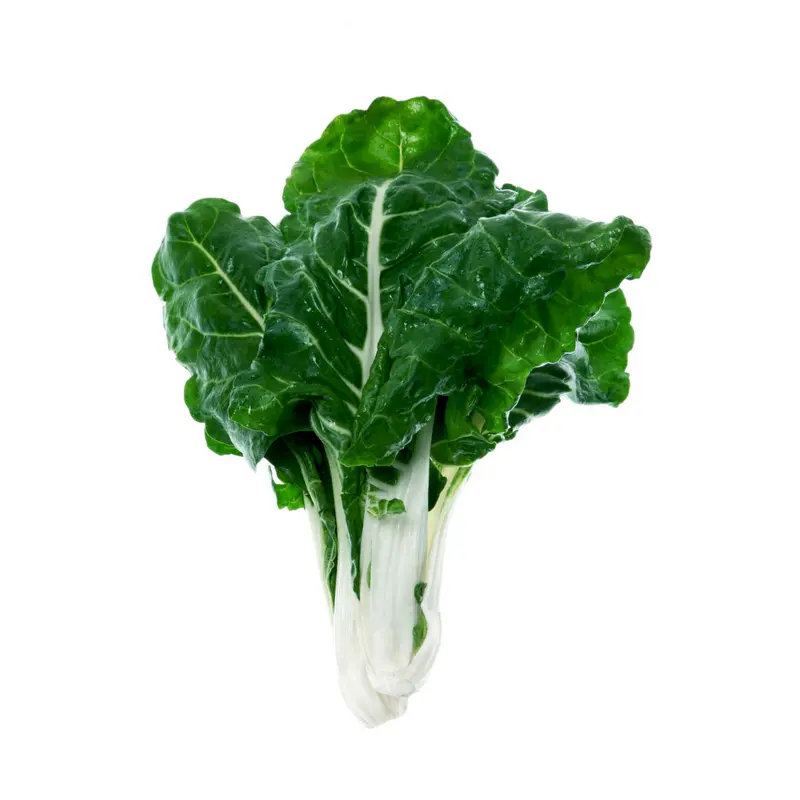
An herbaceous stem with large, intense shiny green leaves, well-developed central veins, which are tender and meaty, and white stalks.
HEALTH ADVANTAGES:
Contains discreet amounts of calcium, phosphorous and iron and are particularly rich in vitamin A.
The leaves contain folic acid and good quantities of vitamin C.
· Rimineralizing, laxative, diuretic and refreshing.
· Useful for treating anaemia, kidney problems and cystitis.
Due to its low calorie content it is particularly suited for use in weight-loss diets.
USES IN THE KITCHEN:
Raw, sautéed in a pan, steamed, boiled, served in salads or in more complex recipes.
CULTIVATION TECHNIQUES:
Integrated crop production in open field.
DESCRIPTION:
An herbaceous stem with large, intense shiny green leaves, well-developed central veins, which are tender and meaty, and white stalks.
HEALTH ADVANTAGES:
Contains discreet amounts of calcium, phosphorous and iron and are particularly rich in vitamin A.
The leaves contain folic acid and good quantities of vitamin C.
· Rimineralizing, laxative, diuretic and refreshing.
· Useful for treating anaemia, kidney problems and cystitis.
Due to its low calorie content it is particularly suited for use in weight-loss diets.
USES IN THE KITCHEN:
Raw, sautéed in a pan, steamed, boiled, served in salads or in more complex recipes.